
Examining Drivers of Differences in Care Team Response to Patient Portal Messages: The Impact of Message Content and Writing Style
With Lisa Rotenstein, Ariel D. Stern, Rebecca G. Mishuris, and Michael L. Barnett
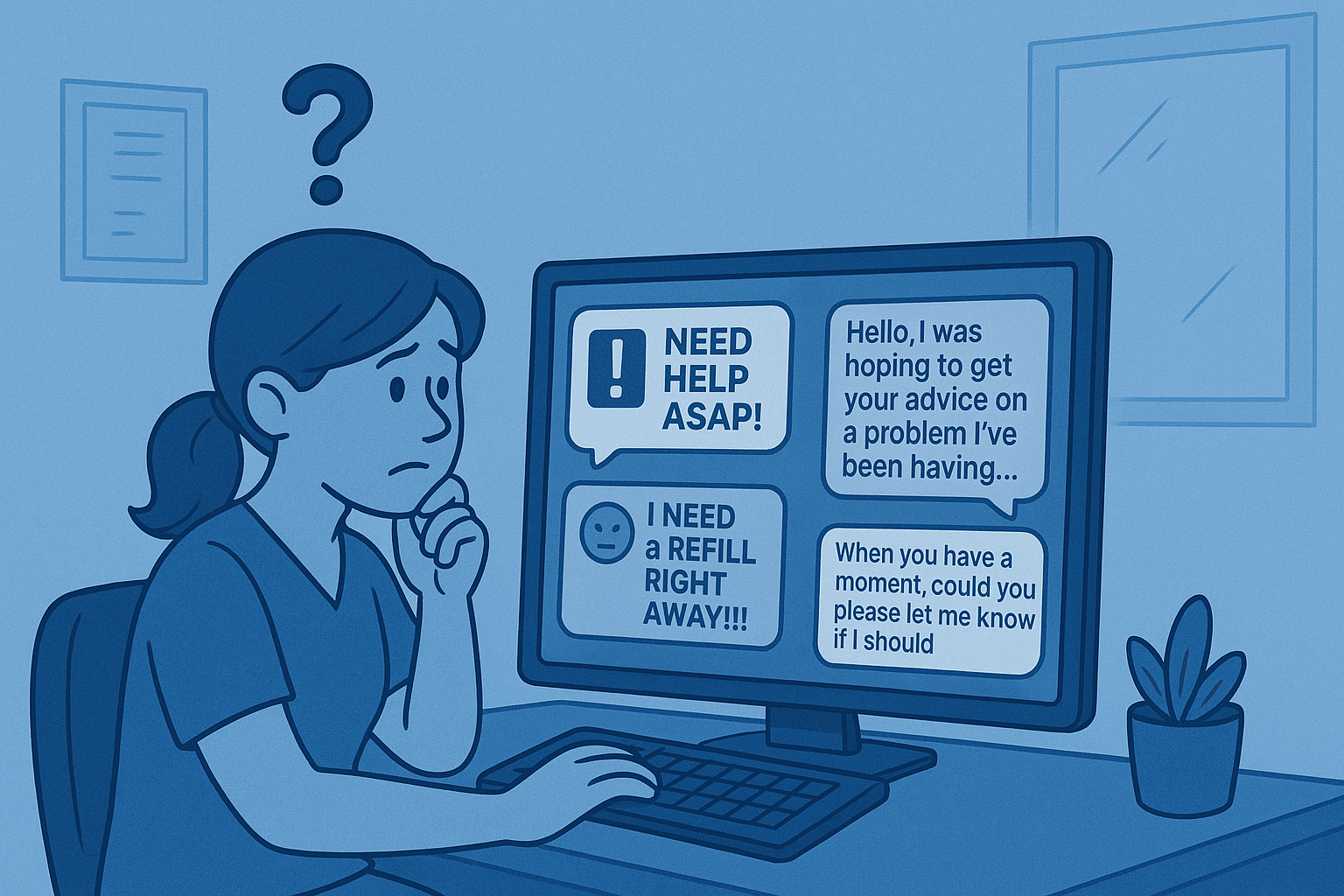
Patient portal messages are an increasingly central channel for patient-clinician communication, but there are inequities in how responsive care teams are to messages from socioeconomically disadvantaged patients. Prior studies have found that, even within the same clinic, socioeconomically disadvantaged patients are less likely to receive timely responses to their messages and are also less likely to receive responses from physicians (and more likely to receive responses from nurses). The reasons driving these disparities are not well understood. Using natural language processing, we analyze the text of patient portal messages from a large academic health system to assess the roles of two potential mechanisms: differences in the underlying request of the message (i.e., message content) and differences in the way the messages are written (i.e., message writing style). We find that, while the category of message request is a significant predictor of care team response, it cannot explain observed differences across demographic groups. On the other hand, the way the message is written – including message characteristics such as length and formality – accounts for nearly half of the observed differences in care team response for some patient groups. Our findings identify an important potential mechanism underlying disparities in care team response, highlighting avenues for mitigating them and deepening our understanding of care disparities more broadly.